Chapter Zero Slovenia
Talent Comes for Opportunity, but Stays for More Than a Job

Ljubljana, 22 September 2026 – A strong career opportunity may be what first convinces someone to move to another company or country. Whether they stay or not depends on many other factors as well: the chance to keep growing, the culture they work in, how welcome they and their family feel, and the quality of life they can build around their career. For Slovenia, this creates both an advantage and a challenge. The country already has many of the qualities people value in everyday life, but those strengths need to be matched by career opportunities and conditions that make talented people want to stay, return or move here in the first place.
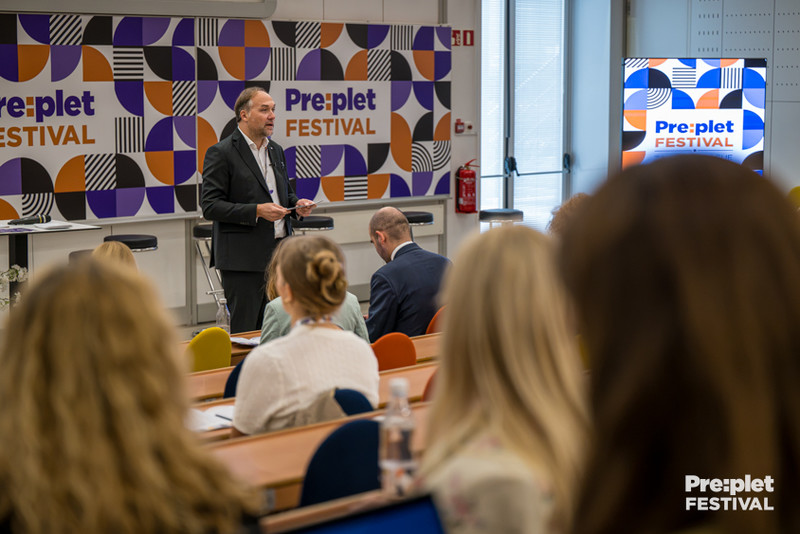
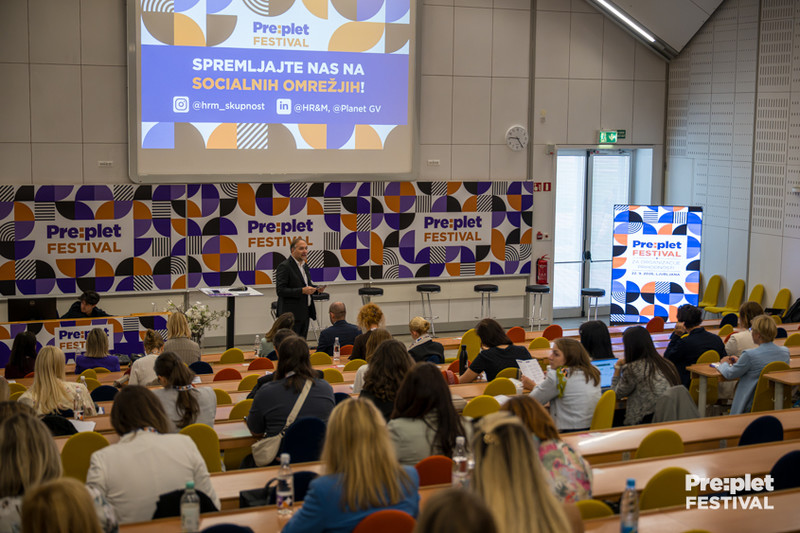
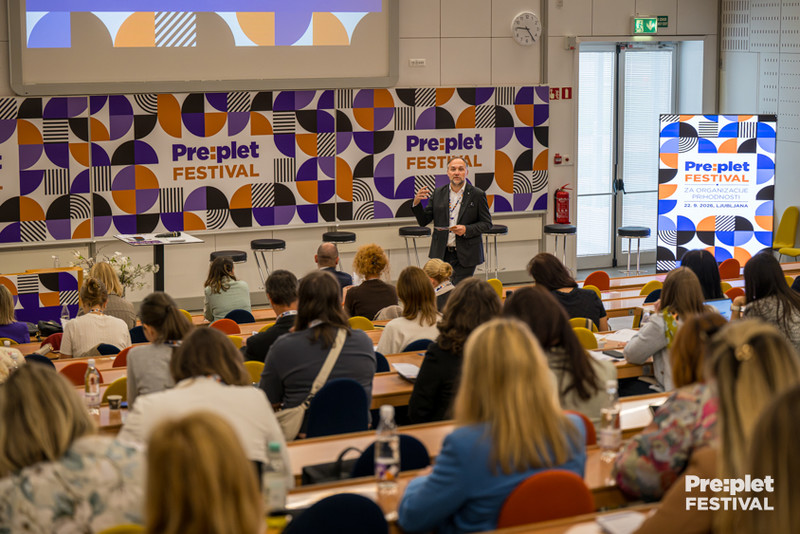
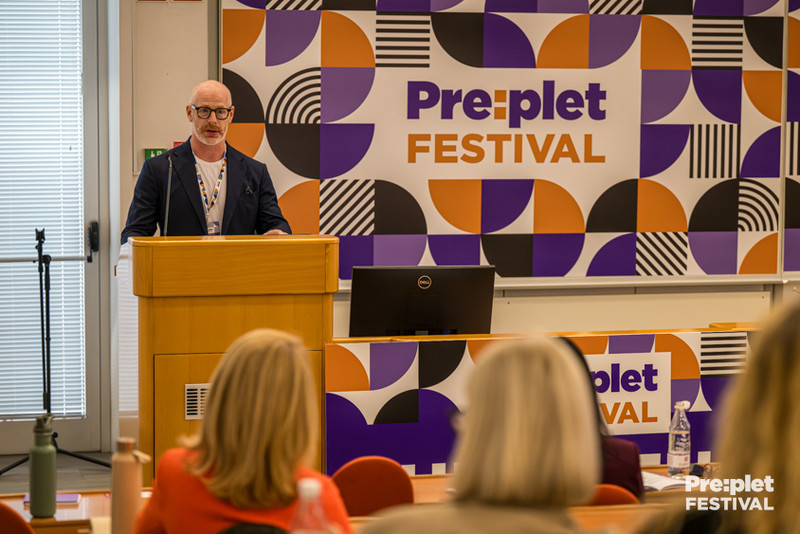
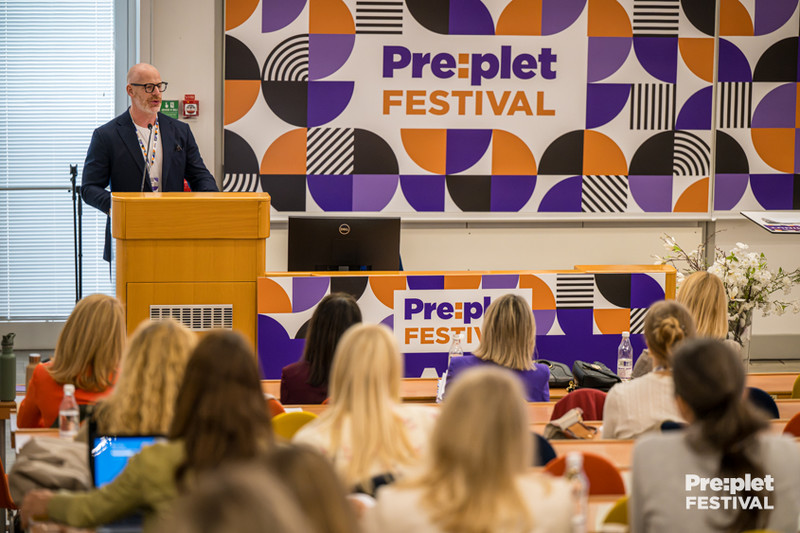
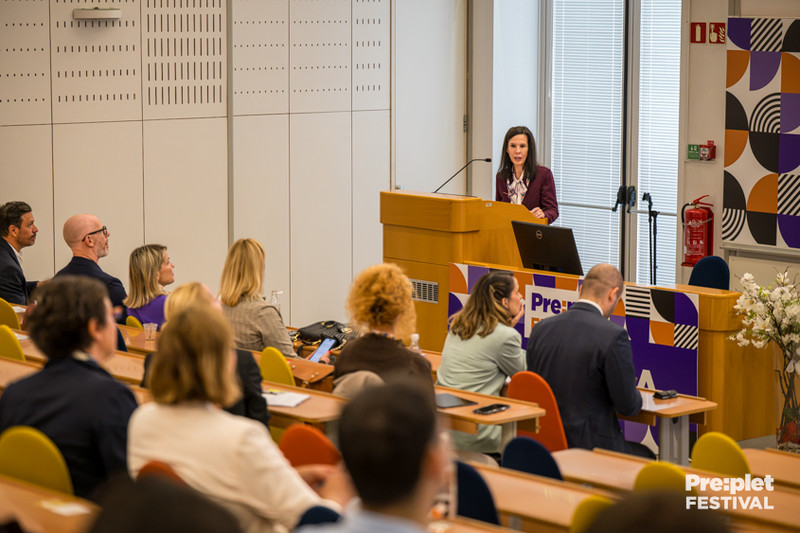
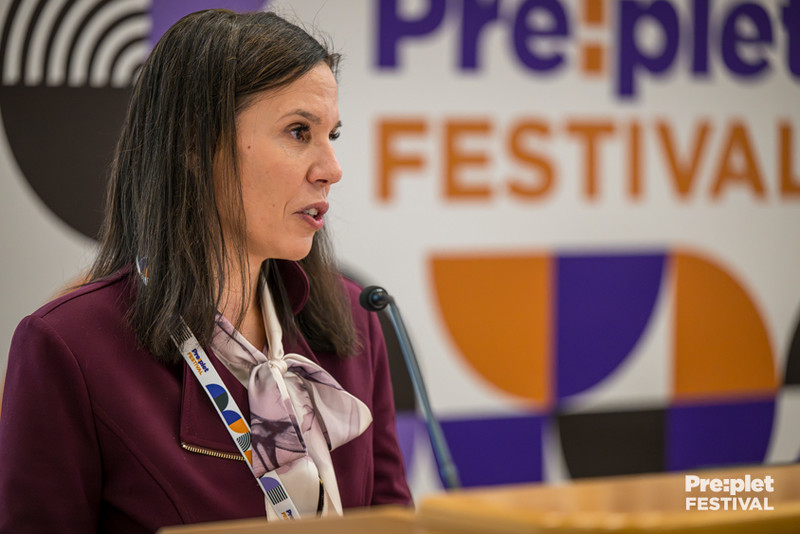
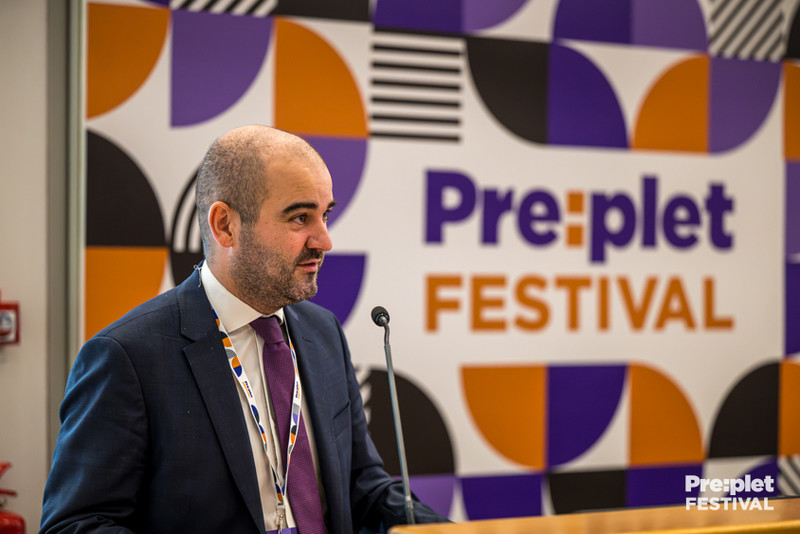
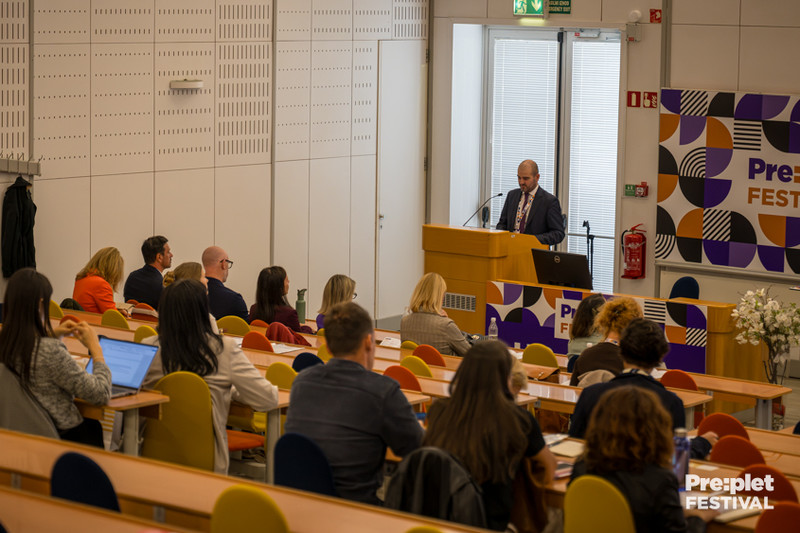
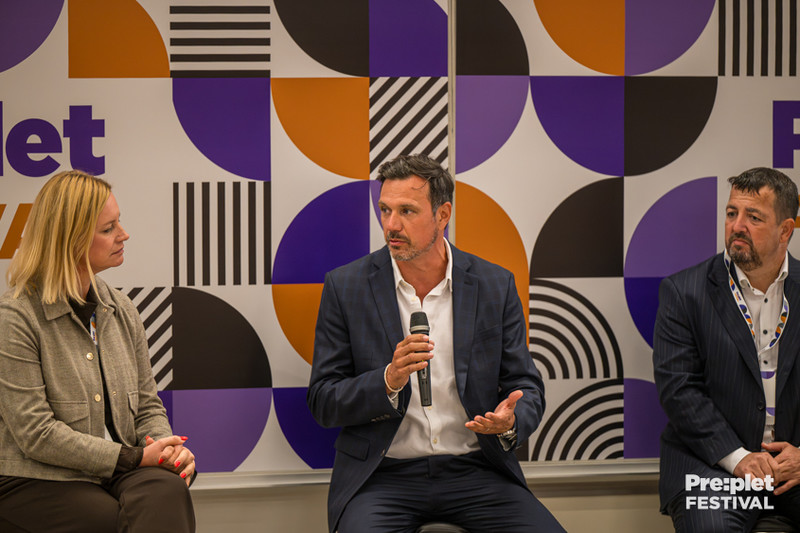
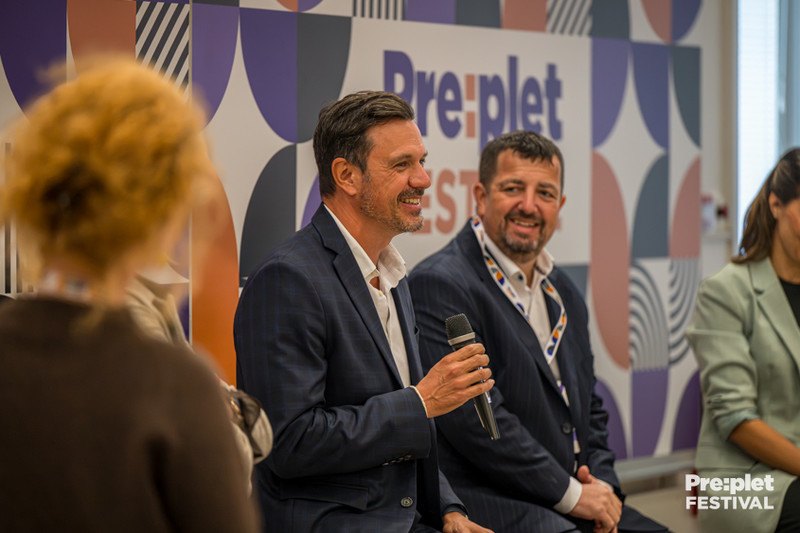
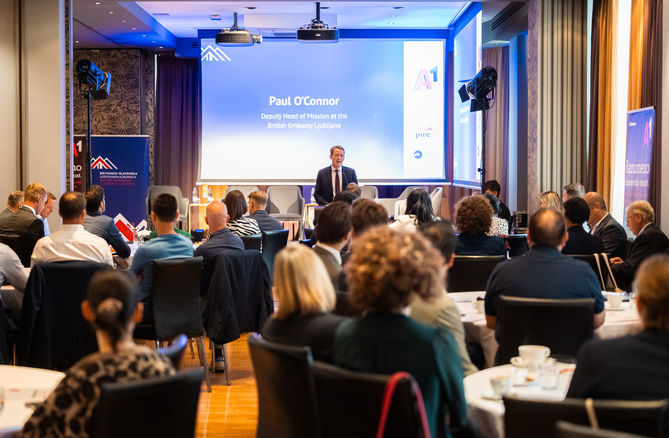
These were some of the questions discussed at Winning the Talent Race: Why the Best Talent Stays, Leaves, or Comes Back, a Tea with Reason organised by the British-Slovenian Chamber of Commerce as part of the HR Arena at Pre:plet Festival at the School of Economics and Business, University of Ljubljana.
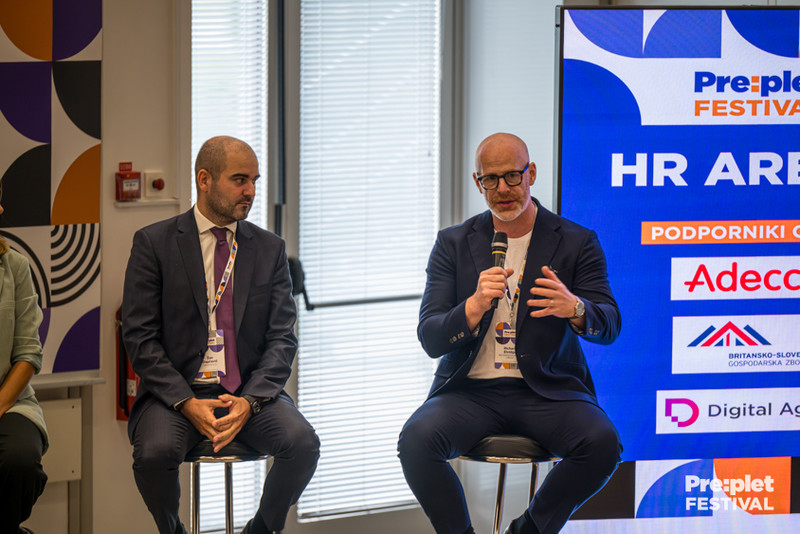
One of the strongest points of the morning was that a job itself is only part of the decision. They are also choosing the place where they will live, and the opportunities they will pursue in the coming years. Our special guest from the UK, Richard Elvidge, Managing Director of WGS Executive Search Limited, shared that quality of life, healthcare, safety, inclusivity, taxation and the local community can all influence that decision, particularly when companies are trying to attract people to relocate for work.
"Opportunity is on top of the list. If a company can demonstrate that opportunities for growth exist throughout the organisation, then they have already won," said Elvidge.
That sense of opportunity also needs to continue over time. Elvidge stressed the importance of consistency between the values an organisation communicates and the way those values are reflected in its decisions, while support for employees and their families can make a significant difference when people relocate. Technology has meanwhile widened the talent pool considerably, giving companies access to people far beyond their domestic market.
The pressure to make better use of that wider talent pool is already visible in Slovenia’s labour market. Data presented by Ana Božič Verbič, Head of the Demography and Social Statistics Division at the Statistical Office of the Republic of Slovenia, showed that around 20,000 jobs still need to be filled, more than half of them in manufacturing, construction and trade. Foreign citizens now account for around one in six people in employment, while the average age of people in employment has reached 44 years. Slovenia also has relatively little unused labour capacity, making foreign workers and other potential sources of talent an important part of the labour market.
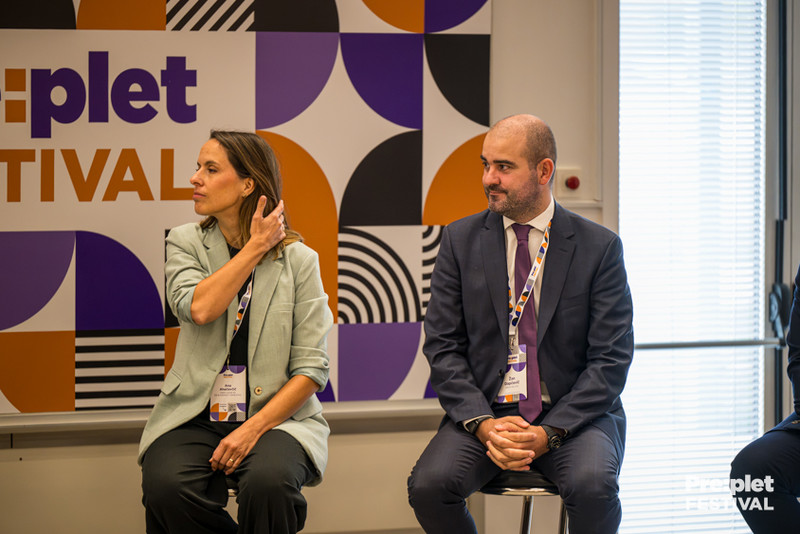
At the same time, Slovenia has a large pool of people with international experience who remain closely connected to home. The experience of the VTIS Association, presented by its President Žan Dapčevič, shows just how strong that connection can be, even when people are not yet planning to move back to Slovenia: "Talent from Slovenia leaves for the opportunity abroad and returns for the quality of life."
Among VTIS members, family and friends, lower stress, nature, raising children and the possibility of using knowledge gained abroad are among the strongest reasons for considering a return. Yet more than 90 per cent do not plan to return in the short term. Career opportunities, salaries and taxation, housing, workplace culture and bureaucracy remain among the factors holding people back.
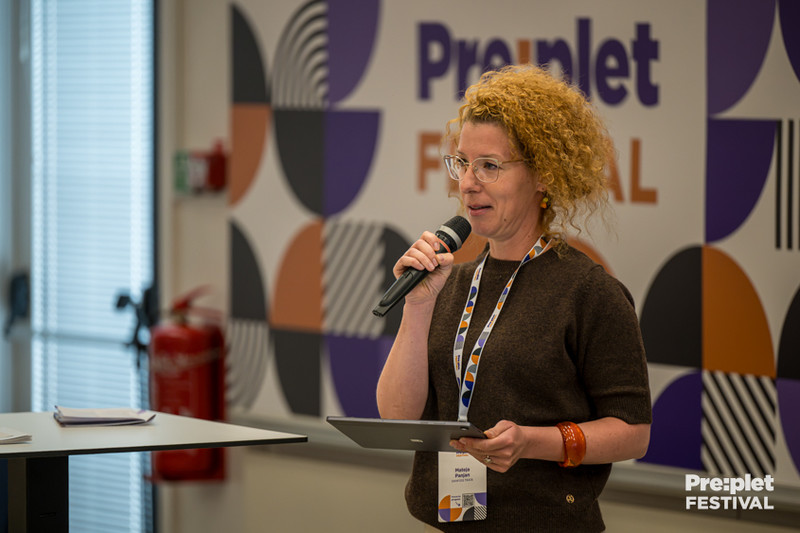
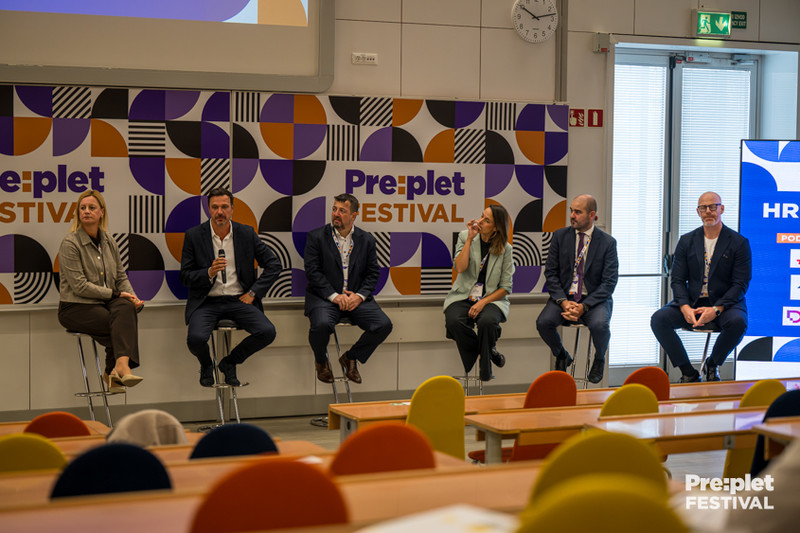
If career opportunity is what pulls people elsewhere, employers still have considerable influence over whether talented people see enough room to grow without leaving. The panel discussion that followed was moderated by Mateja Panjan, Talent Development Lead at Danfoss Climate Solutions.
Marjana Krajnc, General Manager of Danfoss Trata, pointed out that employees are looking beyond an individual role to the culture of the company, the accessibility of its leaders and the opportunities available over time. She highlighted internal mobility as particularly important for retention, giving people the chance to gain new experience, learn and take on different opportunities within the same organisation.
A company can, however, only shape part of the experience. The country itself also has to work for the person making the move. Drawing on his own experience of living in different countries, Aymeric Royere, Country President of Novartis Slovenia, spoke about how much the way people are welcomed can affect how quickly they settle and whether they feel they belong: "We must start treating talent competitiveness as an ecosystem challenge," he said.
That wider environment matters just as much when Slovenia thinks about people who have already left. Ana Ahačevčič, Undersecretary at the Government Office for Slovenians Abroad, pointed to the more than 500,000 Slovenians and their descendants living abroad and the importance of maintaining their connection with Slovenia. As she noted during the discussion, people often leave for their career and come back for the quality of life, and Slovenia has many qualities that can make that return attractive.
The conditions surrounding highly skilled work also remain part of that decision. Dušan Jeraj, President of the Chamber of Tax Advisors of Slovenia and Managing Partner at iConsult, highlighted taxation as one of the areas that can affect Slovenia’s competitiveness for highly paid and highly skilled professionals. He argued that Slovenia could do more to communicate the advantages it already offers to people considering whether to work and live here.