Chapter Zero Slovenia
Tech Council on the Practical Use of AI
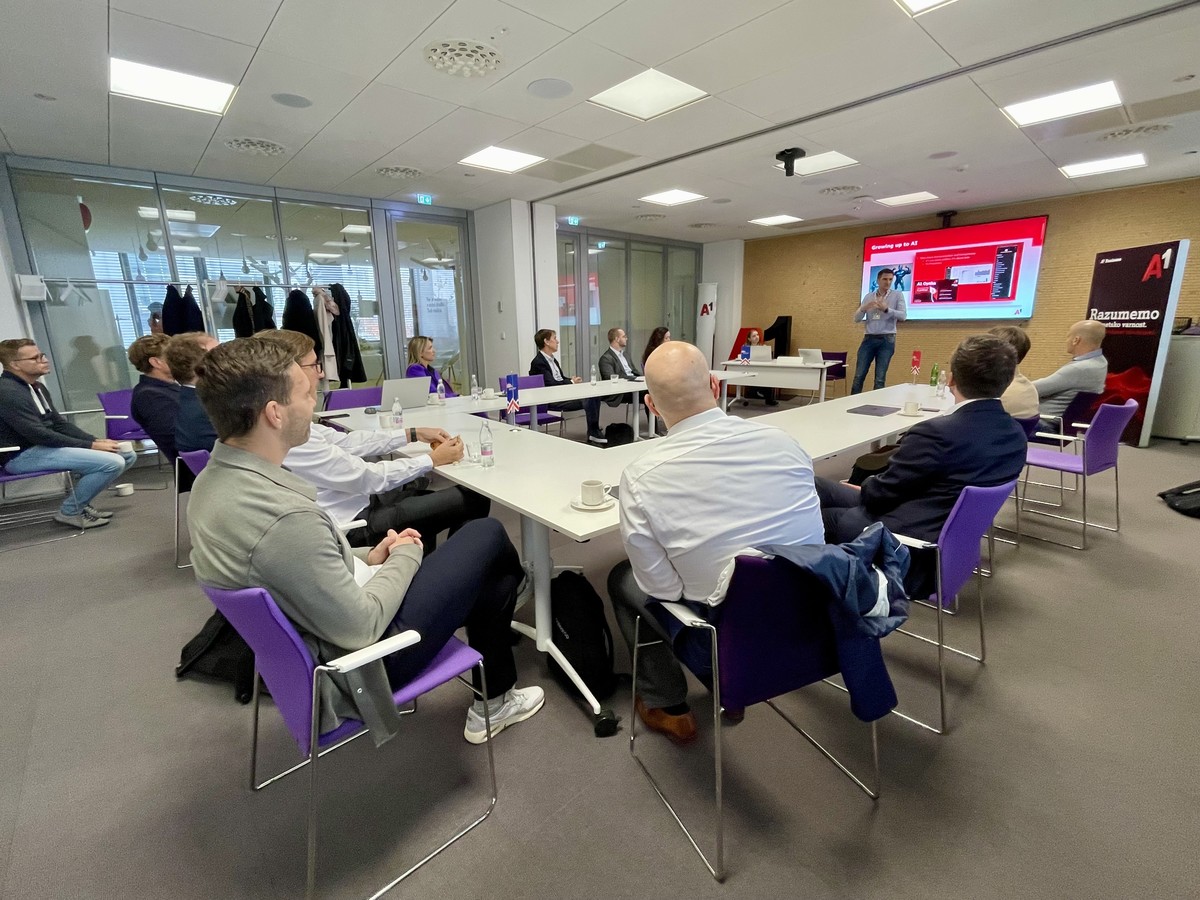
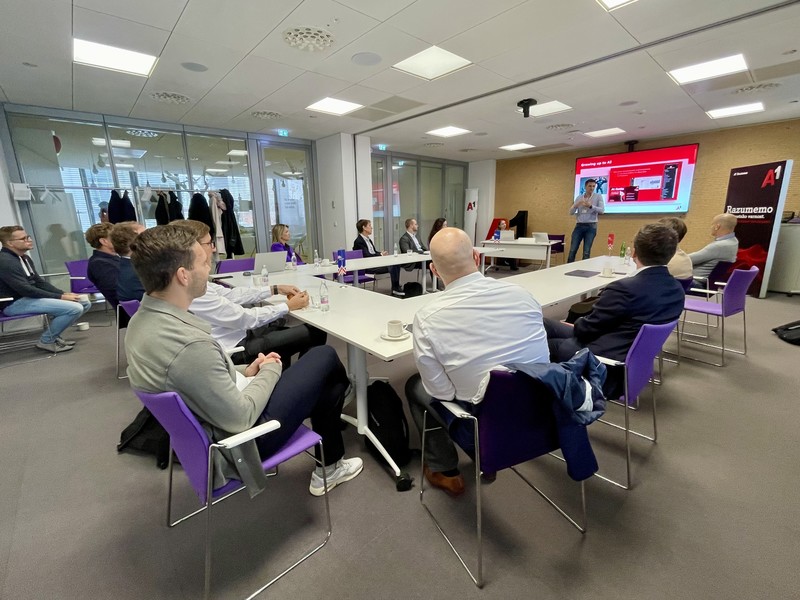
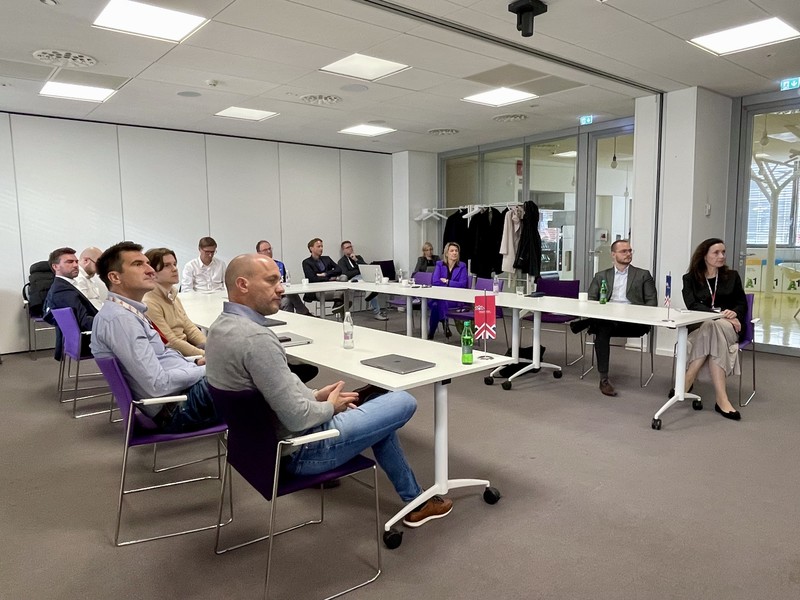
The Tech Council convened on 22 October 2025 for a session dedicated to practical examples of artificial intelligence adoption. Hosted by A1 Slovenija, our members showed how they are moving from conceptual discussions about AI to measurable business impact, supported by strong governance, skilled teams, and a mindset of continuous learning. The session was a great opportunity for our members to learn from each other and reflect on how to make the most of AI’s limitless possibilities.
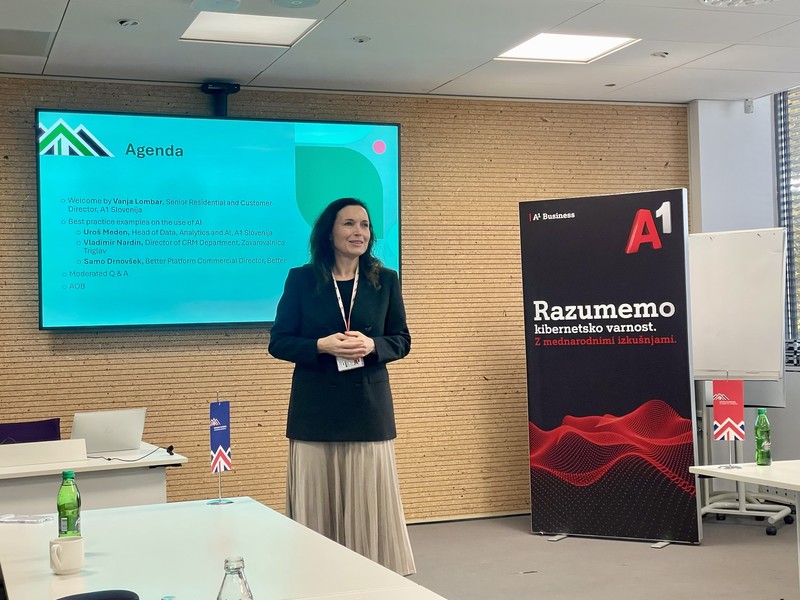
Welcoming the participants, Vanja Lombar, Senior Residential and Customer Director at A1 Slovenija, noted that while the company remains at the forefront of mobile technology and digital services, it is also increasingly investing in more advanced technological solutions and exploring new growth opportunities. She revealed that A1 Slovenija launched Slovenia’s first voice bot earlier that day, underscoring their commitment to innovation. Lombar emphasized that not everything is about AI itself. Success depends just as much on people and processes, while building AI literacy and understanding how workflows evolve.
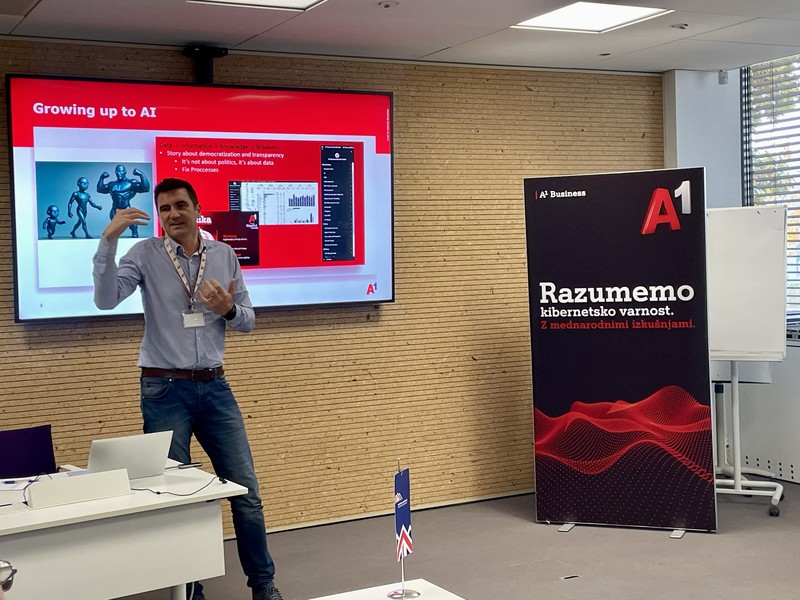
Showcasing best practices, Uroš Meden, Head of Data, Analytics and AI at A1 Slovenija, presented how the company is embedding AI and automation to enhance both customer and employee experiences. He explained that 24% of customer contacts are now handled through A1’s chatbot, enabling customers to get information up to eight times faster without waiting for a live agent. AI-driven integrations on their website, such as product reviews and videos, help retain customers on-site and stimulate sales without redirecting them elsewhere.
Automation has also streamlined internal operations. "It's not just AI, it's also automation," said Meden. Automatically generated offers have accelerated proposal creation by more than 50%, allowing sales teams to focus more on customers and less on paperwork. Among recent achievements, A1 Slovenija produced Slovenia’s first AI-assisted commercial, combining real footage with AI-generated content. Looking ahead, he explained that continuous employee training remains one of their priorities: "Successful AI adoption is not a one-time project. It’s a mindset of continuous evolution."
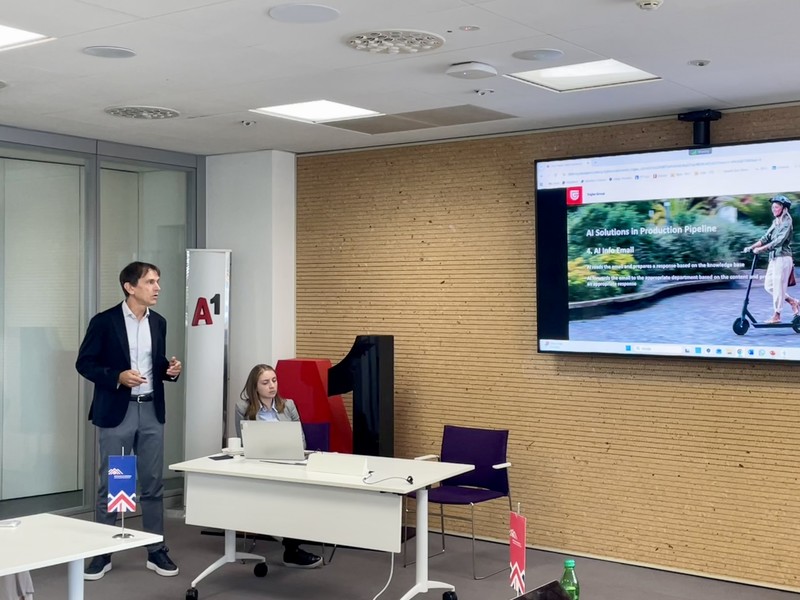
Vladimir Nardin, Director of the CRM Department at Zavarovalnica Triglav, presented a structured approach to AI implementation through a comprehensive AI framework addressing governance, security, and legal considerations. He told us more about the Triglav Copilot, a system designed to support agents and customers through automation. Examples include AI-powered damage assessment – customers can submit photos of vehicle damage, which algorithms analyze to estimate costs, reducing the need for in-person inspections for minor claims. "We are testing models to verify the authenticity of reported damages," Nardin explained. "The goal is faster claims handling without compromising accuracy." He also mentioned a machine learning–based task calendar that helps sales agents manage their workload more effectively within Outlook.
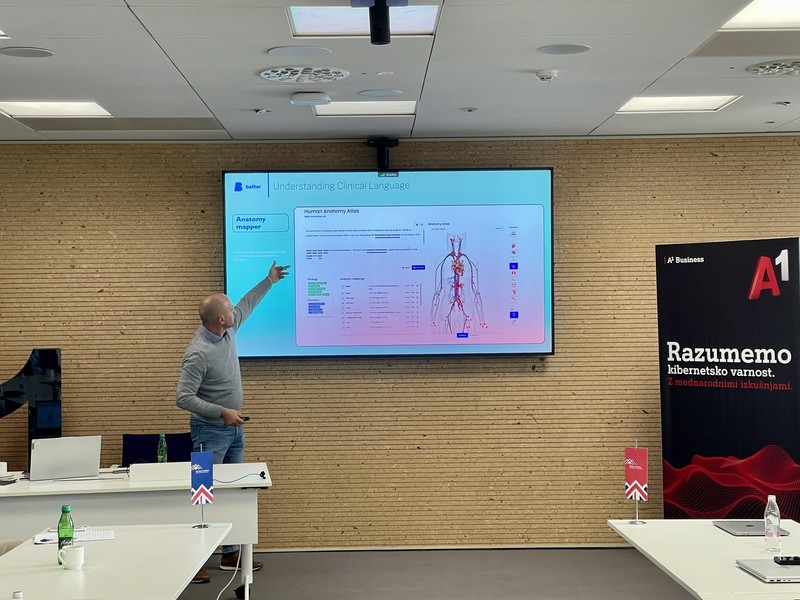
Samo Drnovšek, Commercial Director at Better and Co-Chair of the Council, revealed the challenges and opportunities of implementing AI in the healthcare sector, where data sensitivity and strict EU regulations (including the AI Act, GDPR, and EHDS) impose significant constraints. "There’s no room for error in healthcare," he noted, highlighting issues of liability and malpractice concerns. Still, Drnovšek pointed out that AI offers tremendous potential to improve the quality and efficiency of healthcare services, from reducing administrative burdens on doctors to early disease detection and preventive care through predictive insights based on structured data. Better’s core focus, he explained, lies in processing large volumes of health information to build faster, safer, and smarter solutions through a bottom-up approach, from data processing to application development.