Chapter Zero Slovenia
What Employers Do and What Headhunters See
Finding the right employees is not only about filling vacancies, and retention is not only about keeping employees satisfied. In a labour market shaped by changing expectations, new technologies, and growing pressure on leadership, companies need to understand what candidates value, where recruitment processes fail, and what makes people stay once they join an organisation.
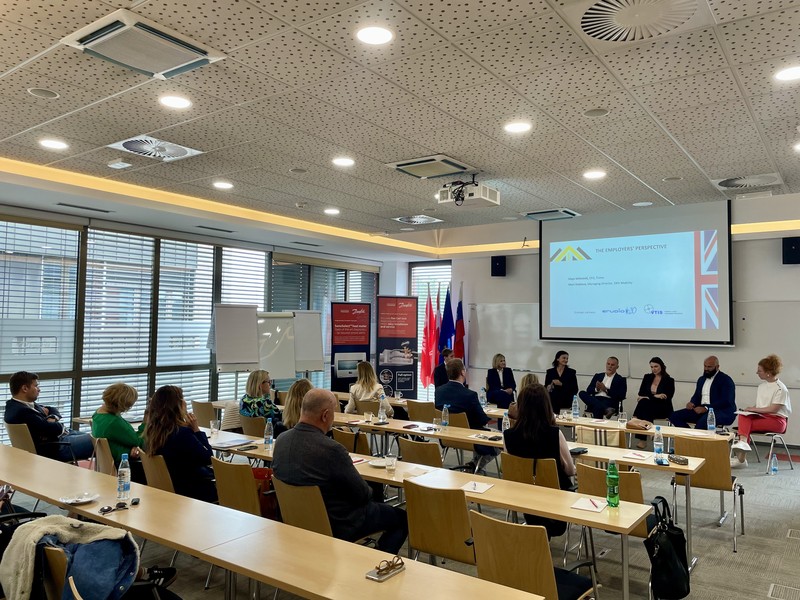
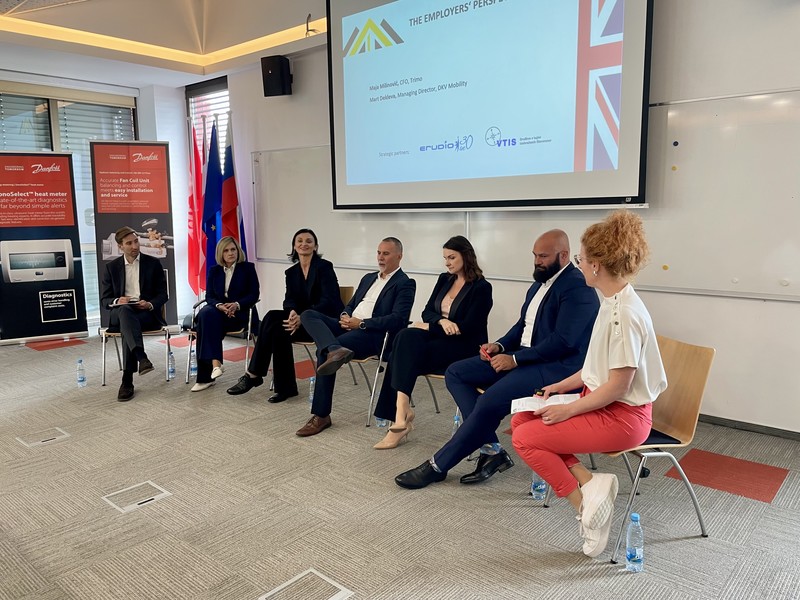
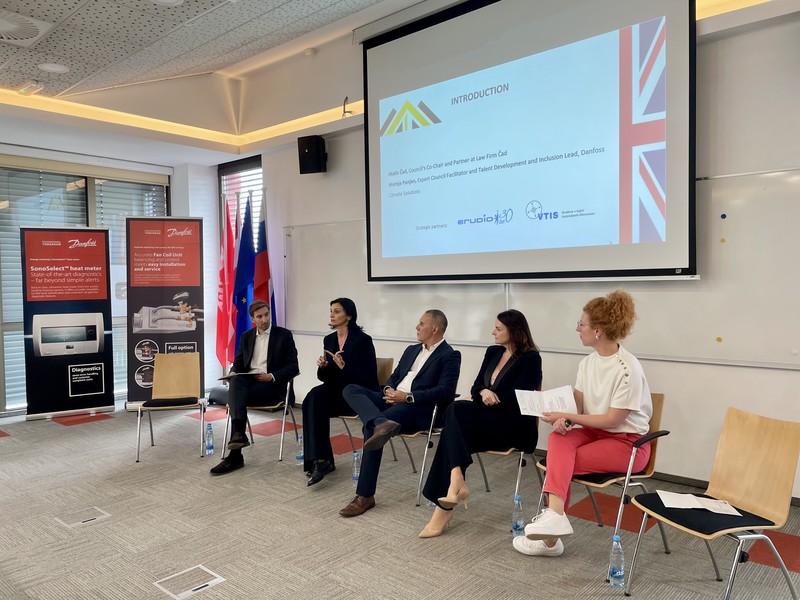
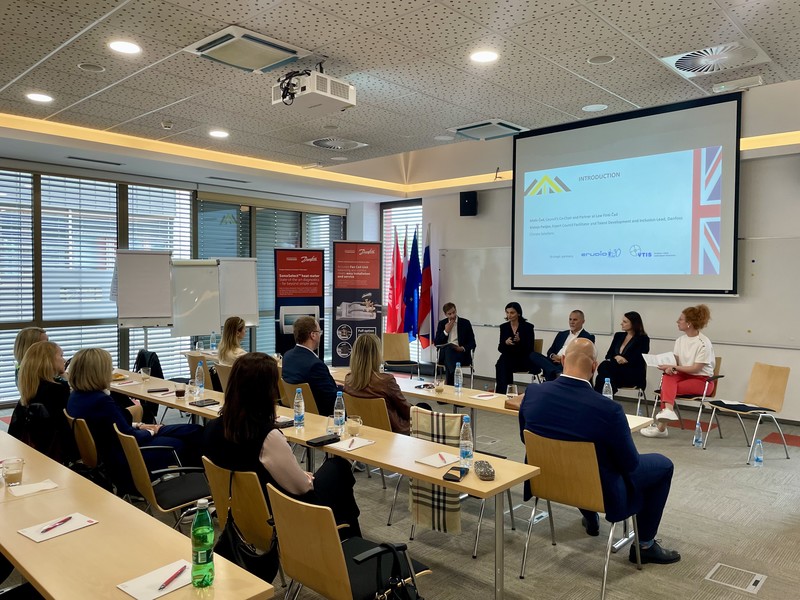
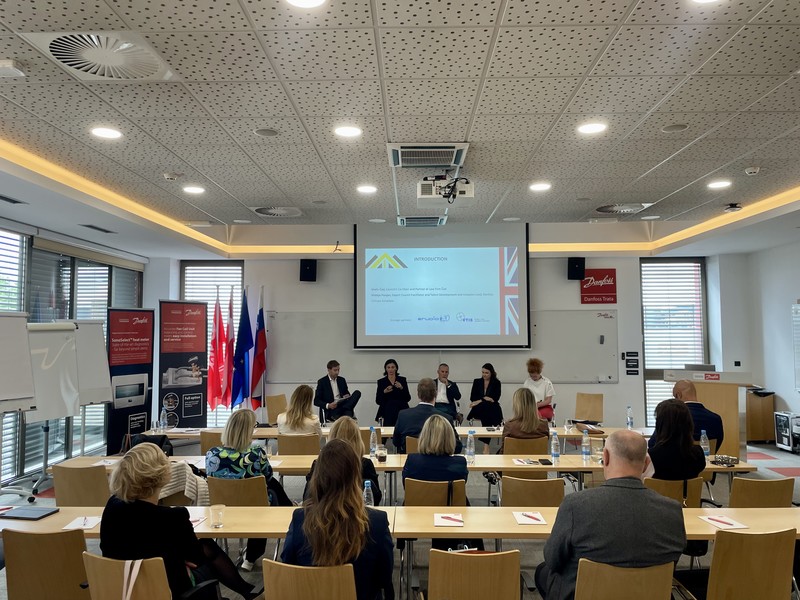
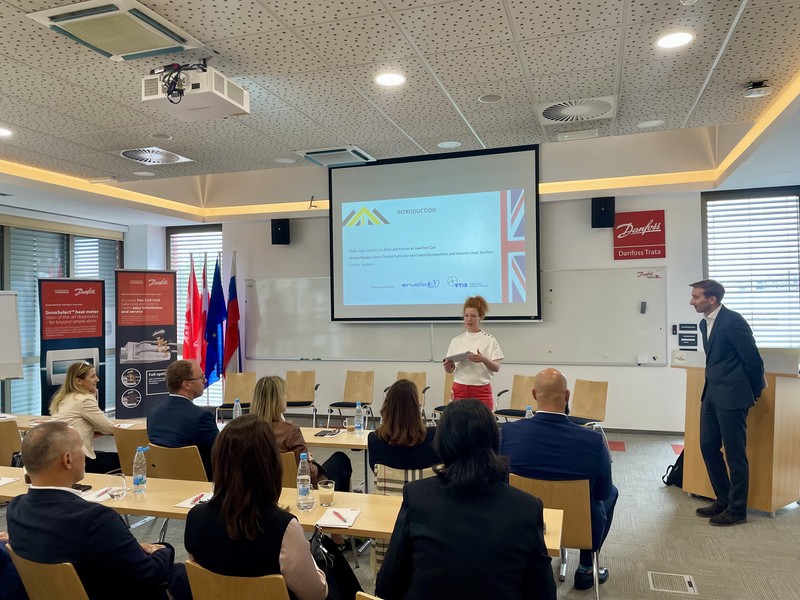
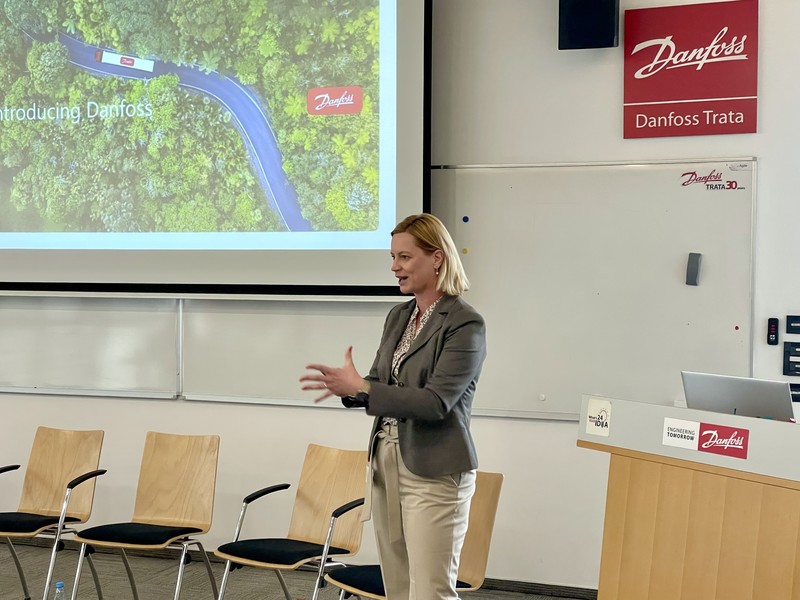
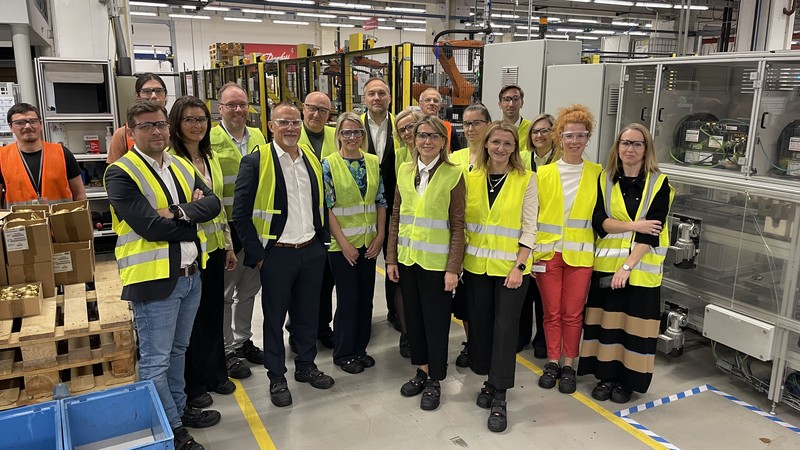
This was the focus of the session of the People and Culture Council, Inside Talent: What Employers Do and What Headhunters See, held on 15 May 2026 at Danfoss Trata. The session connected two perspectives that often see the same challenge from different angles: employers, who are building teams and managing people inside organisations, and headhunters, who see how candidates, companies, and market expectations meet in practice.
The session was moderated by Mateja Panjan from Danfoss Trata and Matic Čad, Partner at Law Firm Čad. The headhunter perspective was shared by Mateja Čotar from CHR Partners, Simona Špilak from BOC Institute, and Jani Zupan from Profil, while the employer perspective was represented by Mart Dekleva from DKV Mobility, and Maja Milinović from Trimo.
A strong message was that recruitment, especially for senior or demanding positions, needs to be approached as a strategic process. Publishing a vacancy or searching for candidates on LinkedIn may be faster or cheaper, but for key roles the cost of a poor decision can be far higher. A wrong hire affects not only financial results but also team dynamics, trust, motivation, and overall performance.
Headhunters see that companies often underestimate the importance of knowing the candidate well, maintaining continuity throughout the process, and investing enough time in defining what they are really looking for. Their role is not only to find a name, but to assess the fit between the person, the position, the culture, and the company’s future needs. There is rarely a perfect candidate or a perfect employer. The real value lies in finding the right match and helping both sides understand what will make the cooperation work.
From the employer perspective, the challenge is increasingly not only how to attract people, but how to create an environment in which they want to stay and contribute. People want to feel that they are part of something meaningful, that their work matters, and that their managers see them as people, not only as employees. Leadership therefore remains one of the strongest factors in retention. Employees are more likely to stay where leaders communicate clearly, support them through difficulties, resolve conflict, and build trust inside teams. Employees also look for good relationships, development opportunities, flexibility, meaningful work, and a sense that the company has a clear direction.
The session also highlighted how quickly the skills companies need are changing. Adaptability, resilience, critical thinking, and the ability to work with new tools, including AI, are becoming essential. Upskilling is therefore not only a response to a skills gap, but a way to help people grow and remain relevant as workload changes.