Chapter Zero Slovenia
The Pace of AI Is Accelerating, But Are We Keeping Up?
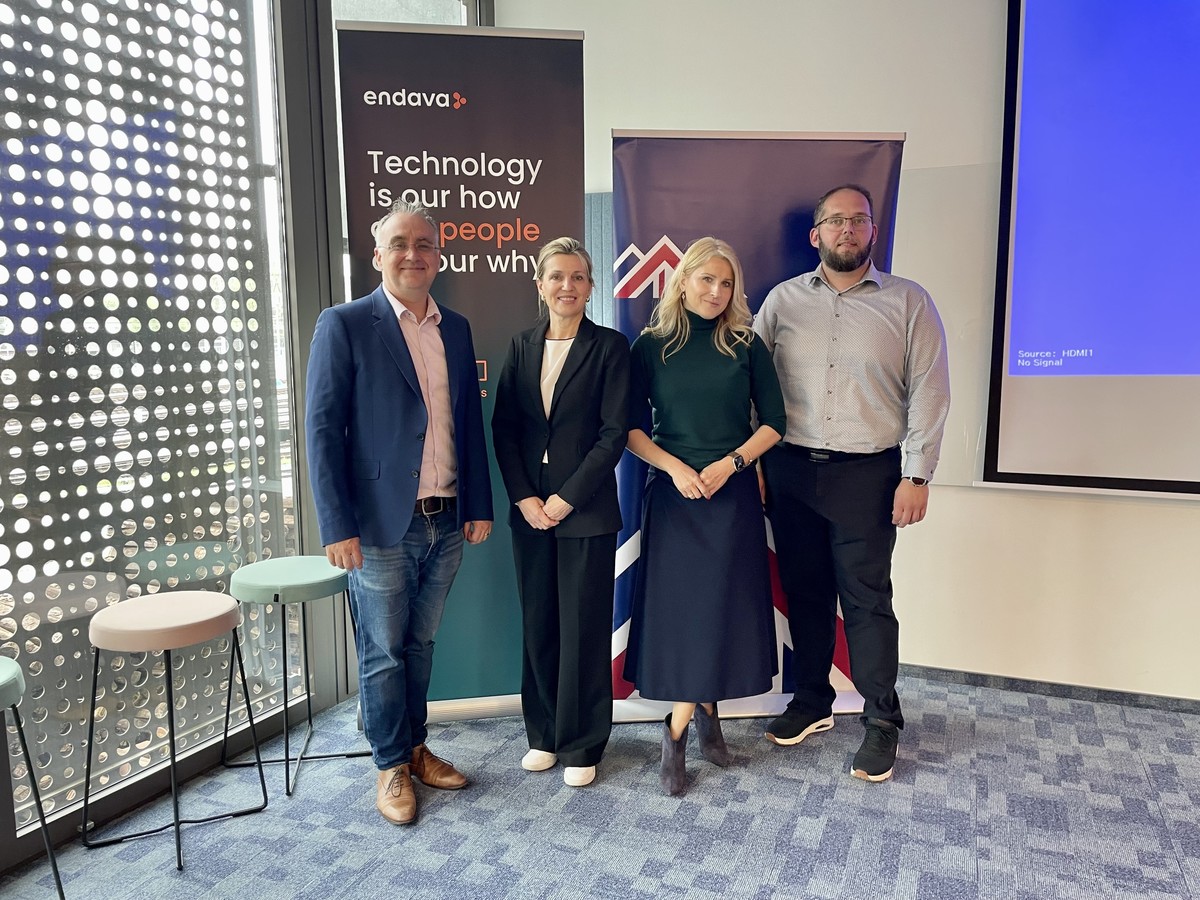
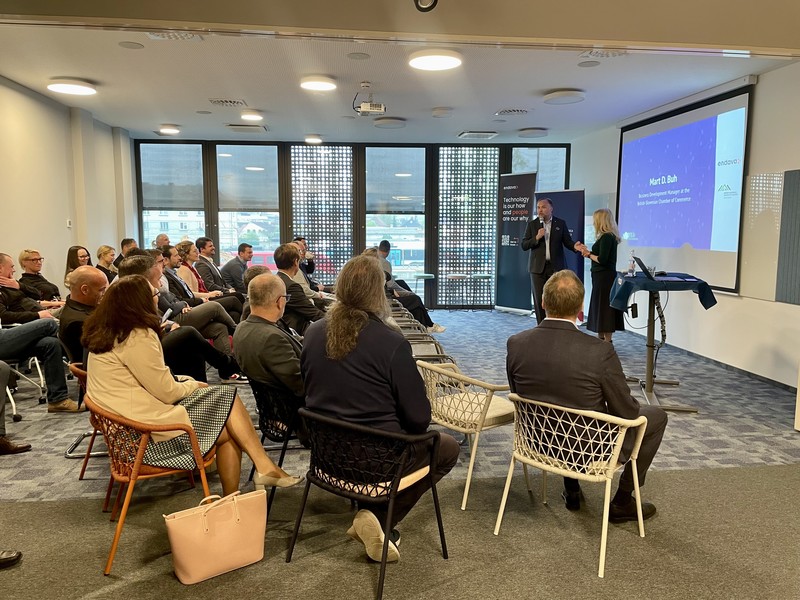
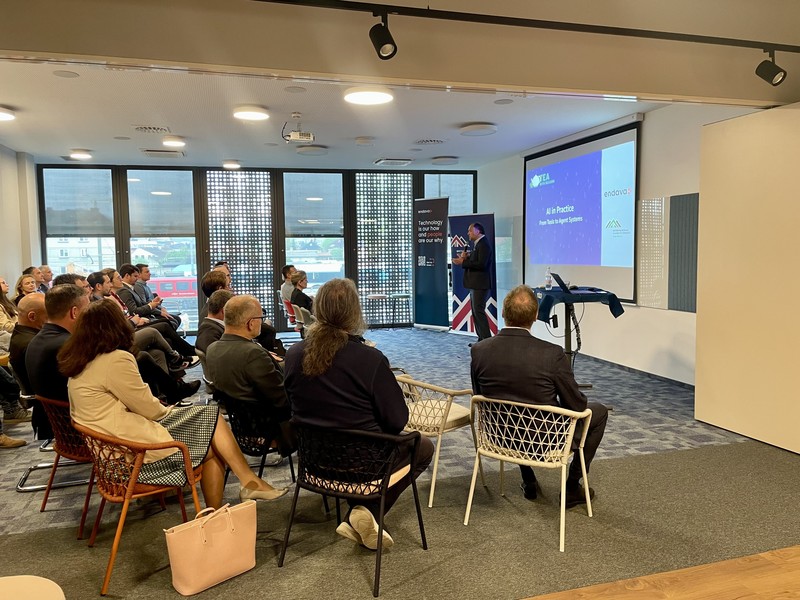
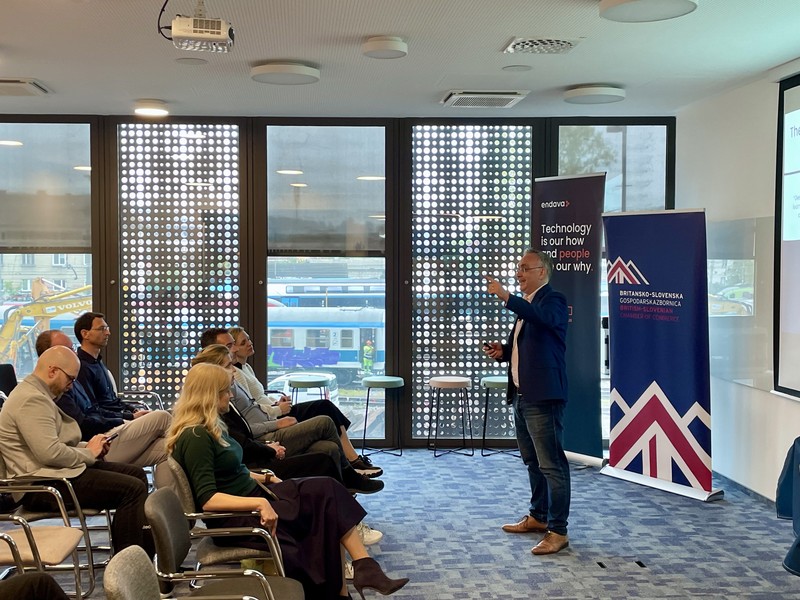
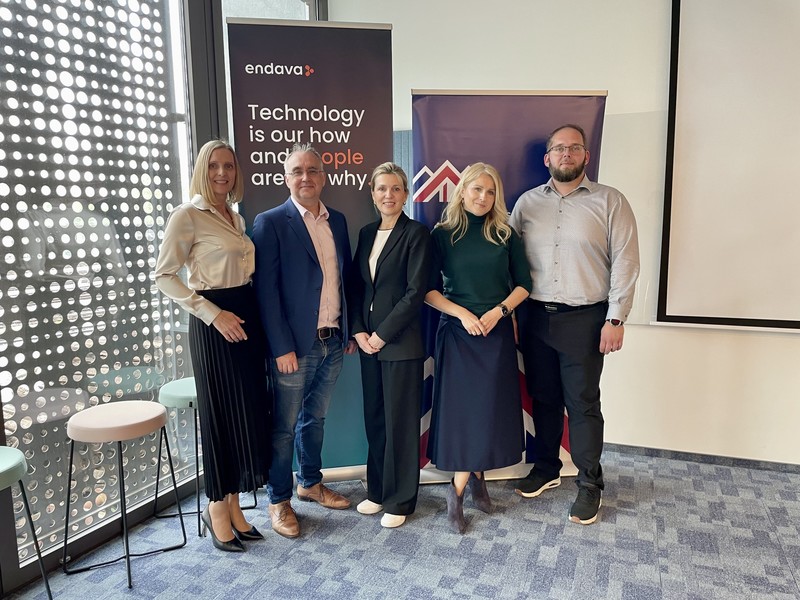
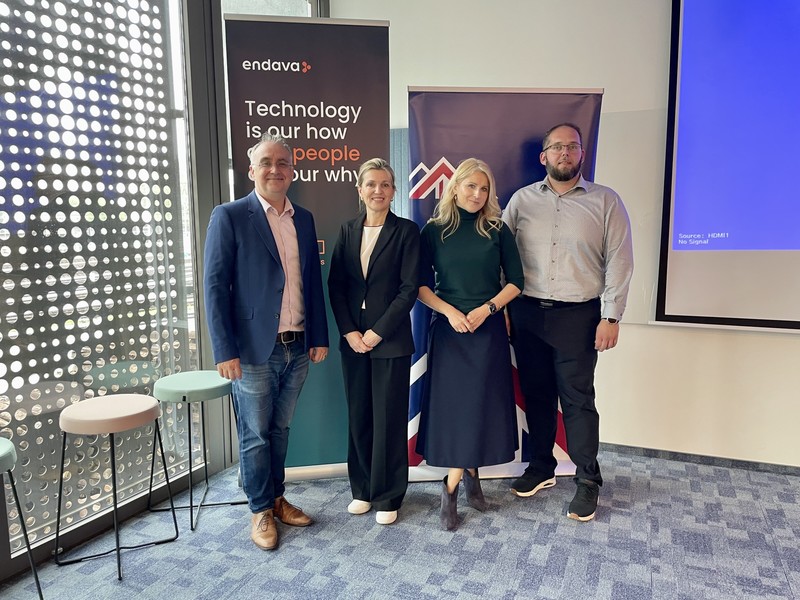
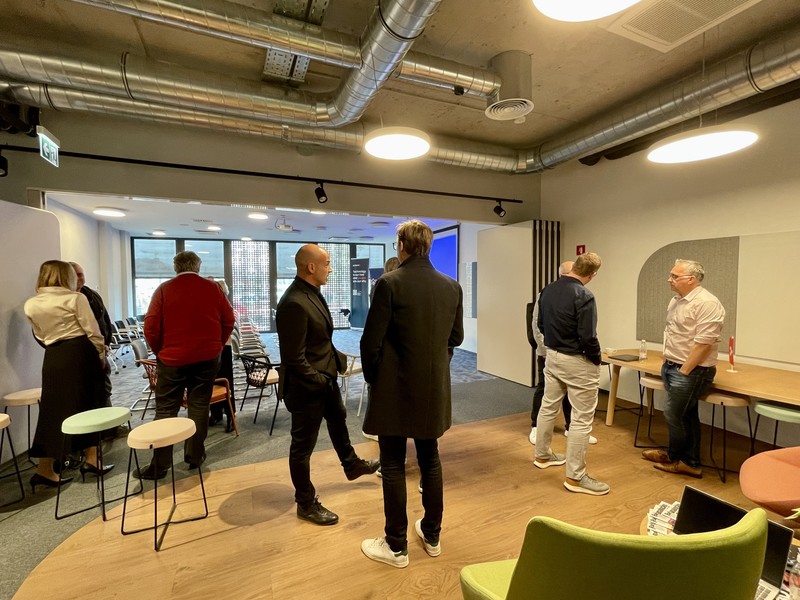
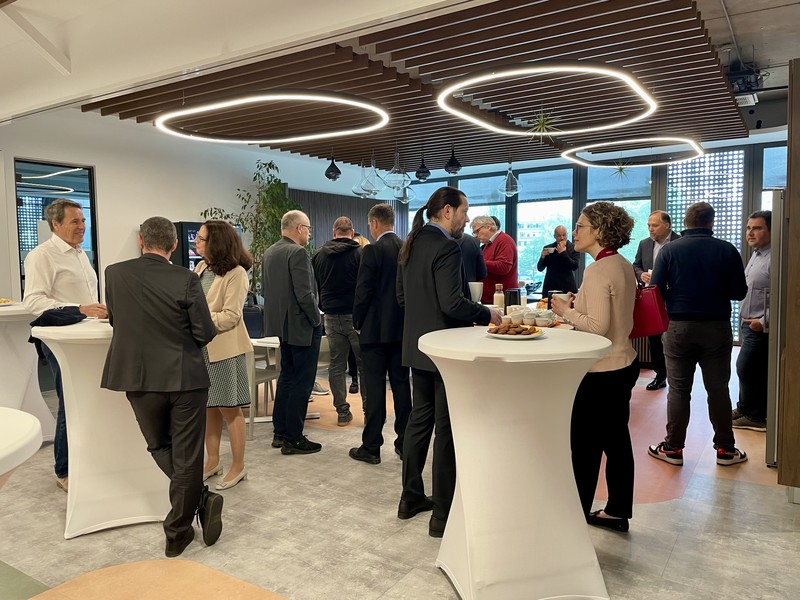
Ljubljana, 15 April 2026 – The British-Slovenian Chamber of Commerce, in cooperation with its Tech Council and member Endava, hosted a special edition of Tea with Reason, titled “AI in Practice – From Tools to Agent Systems”, at Endava’s offices in Ljubljana.
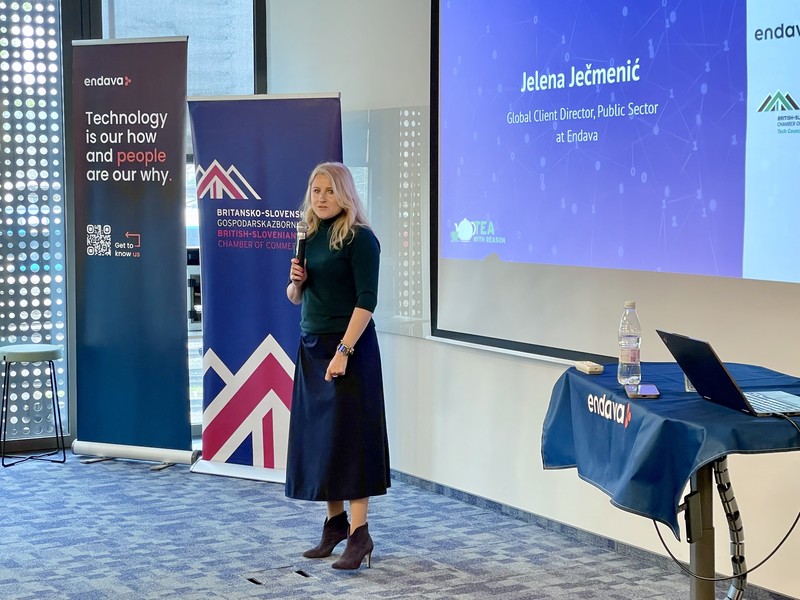
We were greeted by Jelena Ječmenić, Global Client Director, Public Sector at Endava, before we turned to a very important question many organisations are currently facing: where AI creates the most value and how to move from initial pilots to wider, structured implementation. While interest in AI is growing, companies are still defining priorities, building internal capabilities, and deciding how to approach adoption in a way that delivers measurable results.
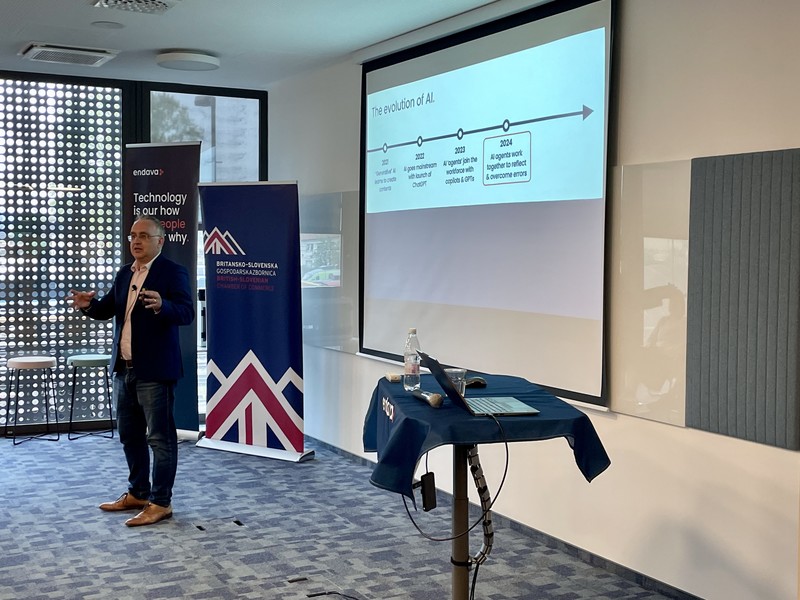
The keynote was delivered by special guest from the UK, Richard Pugh. In his role as Global SVP and Head of Data & AI at Endava, he works with organisations across various sectors on AI strategy and implementation. His presentation focused on how AI is evolving from individual tools into systems that can reason, make decisions, and increasingly act within business processes.
He illustrated this through concrete examples, including the automation of complex workflows, where processes that previously took weeks can now be completed within hours, improving both efficiency and access to data. He also explained how AI is enabling companies to scale without a proportional increase in headcount, improve decision-making through richer data, and create more responsive and personalised services.
At the same time, he pointed to the pace of change as a key factor shaping business decisions. With new models and capabilities emerging continuously, organisations are under pressure to act, test, and adapt. The main risk, he noted, is falling behind by delaying investment or limiting AI to isolated use cases.
A useful way to think about this is in three steps: Enable. Deliver. Reinvent. Enable employees to use AI in their daily work, deliver results through production-ready solutions, and ultimately rethink how the business operates and competes.
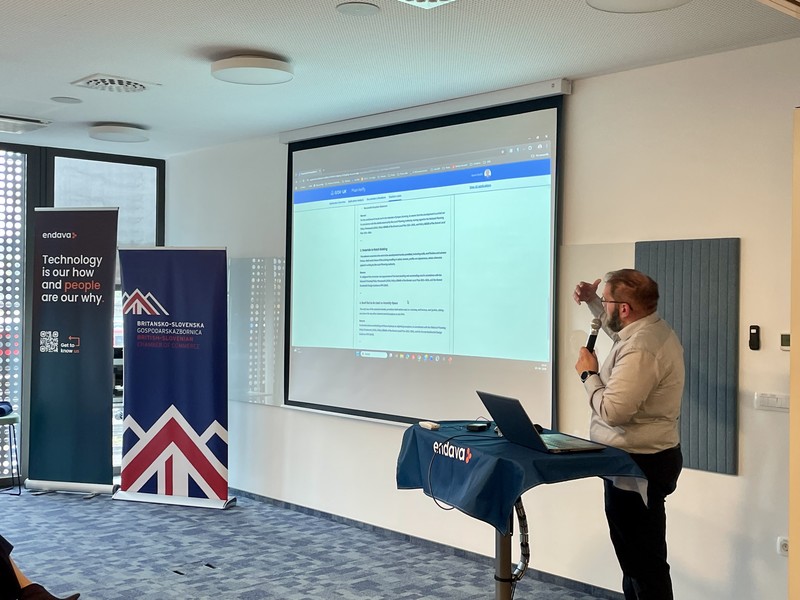
A practical case was presented by David Orešič, who introduced Endava’s project for the UK Ministry of Housing. The case showed how AI can improve operational efficiency, reduce manual work, and support more consistent decision-making in the public sector.
Chamber members also shared their experiences with the use of AI, and what challenges they have been facing along the way.