Chapter Zero Slovenia
Trade and Investment Council Begins New Chapter with Formal Merger and New Appointments

The British-Slovenian Chamber of Commerce has formally launched the new Trade and Investment Council, following the merger of the former UK Trade Council and Investors’ Council.
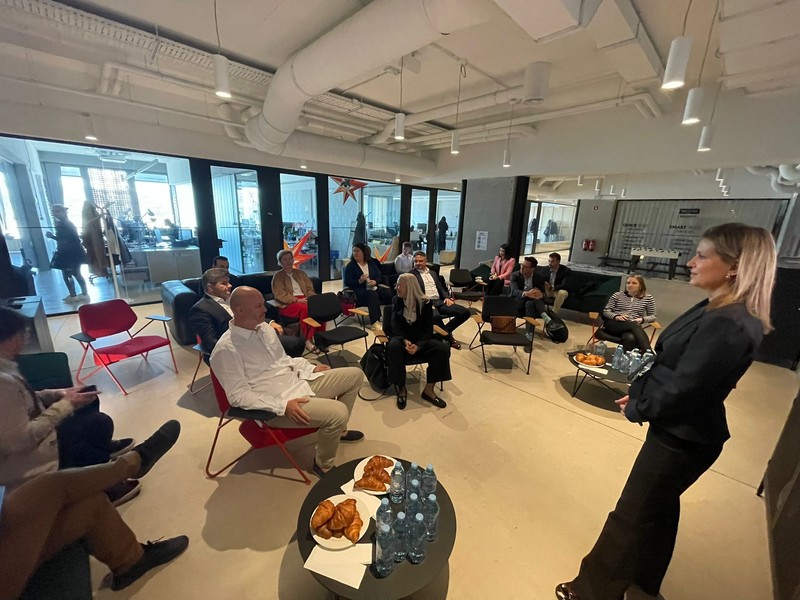
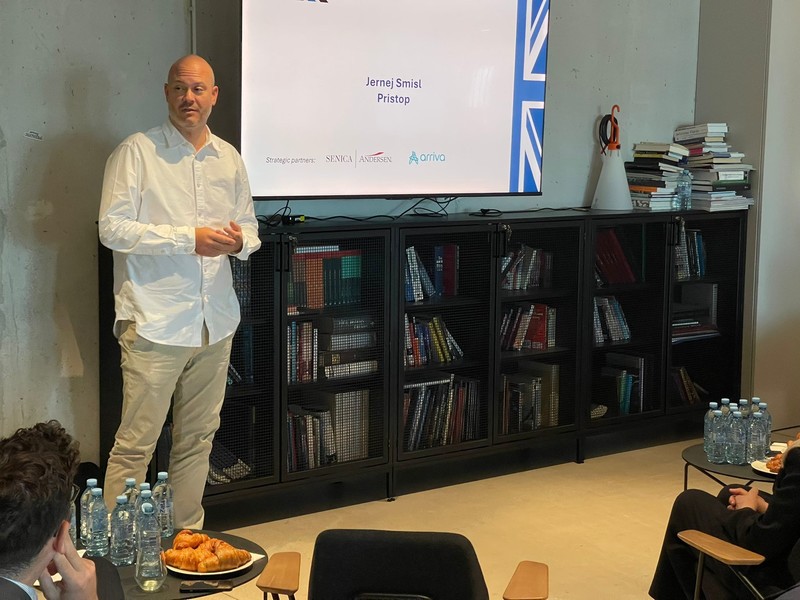
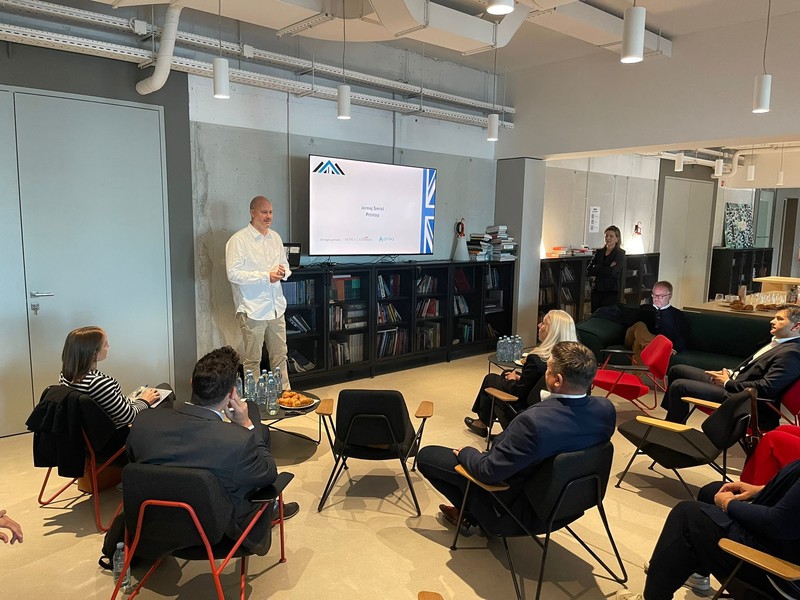
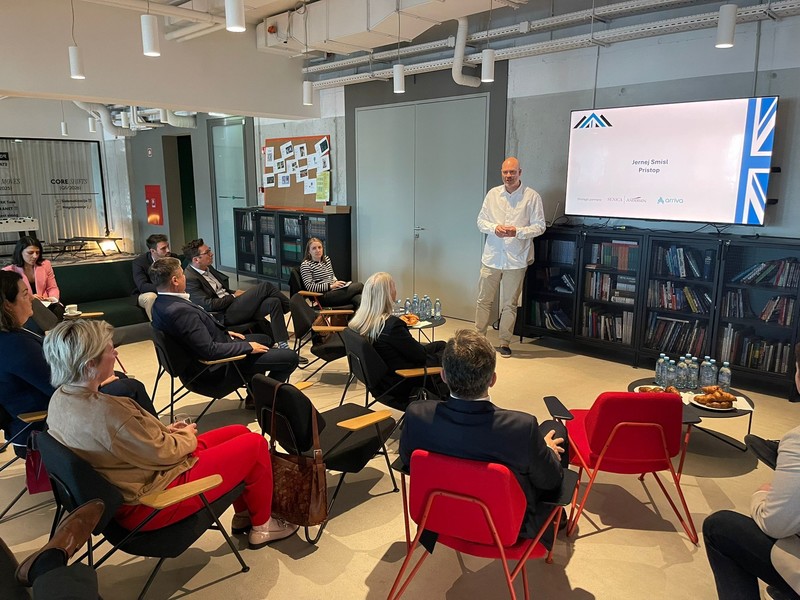
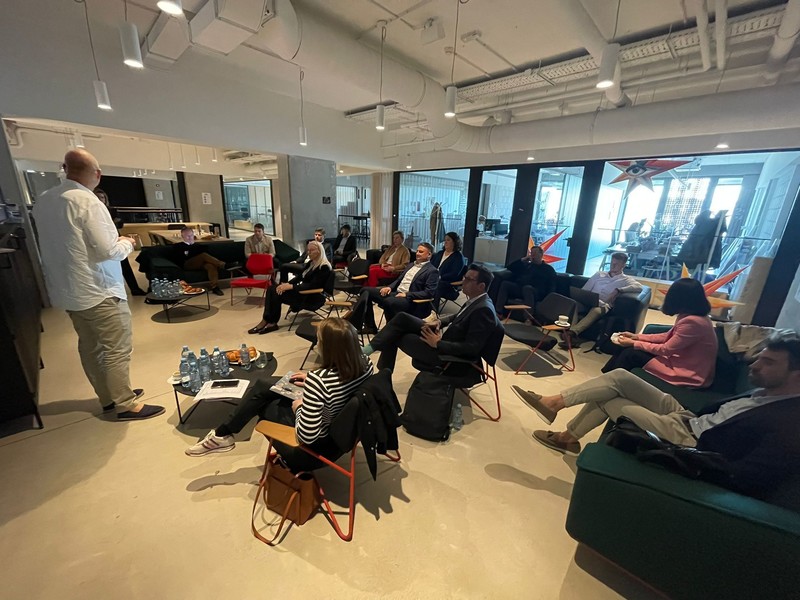
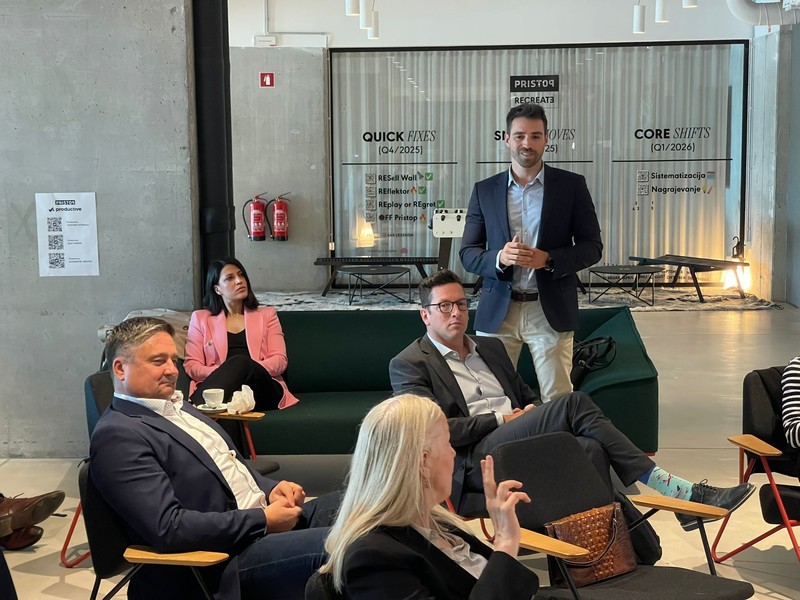
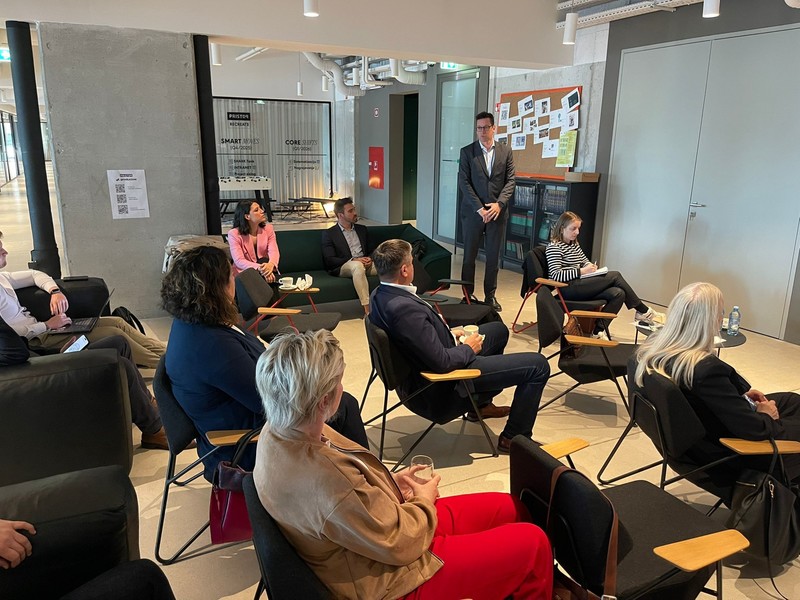
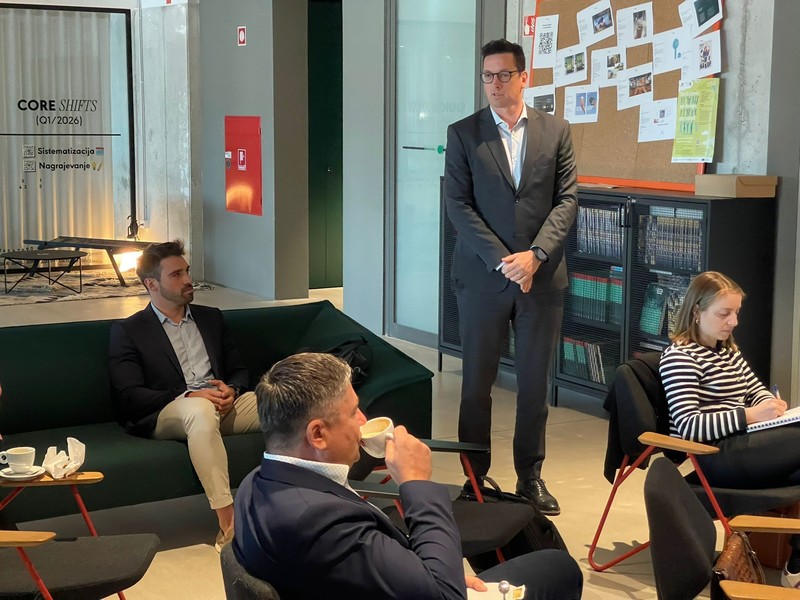
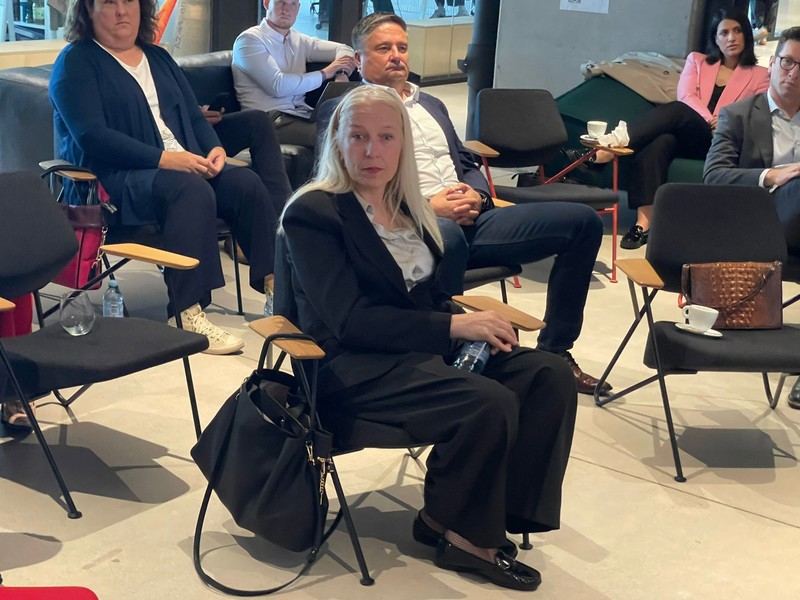
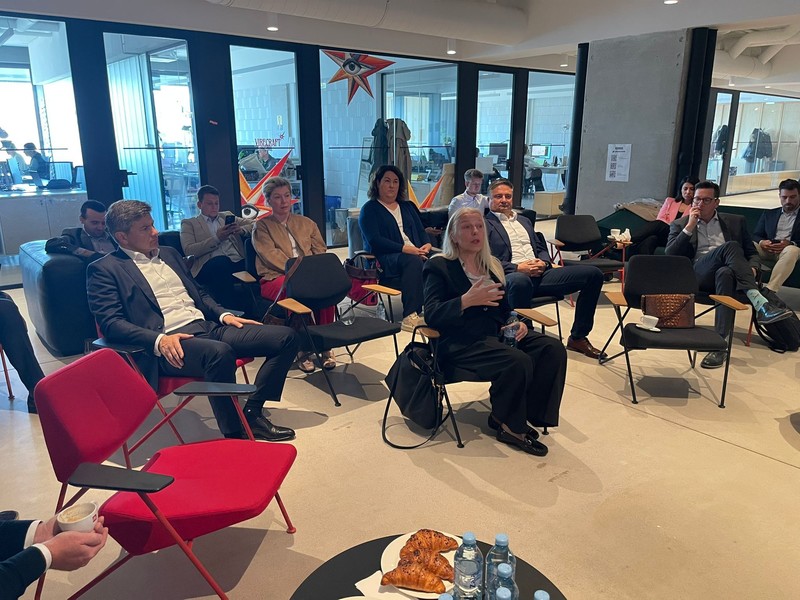
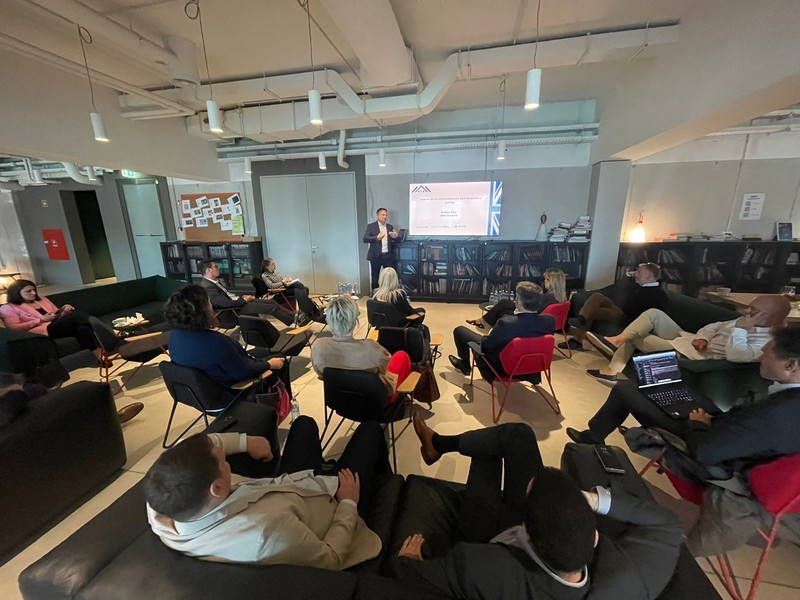
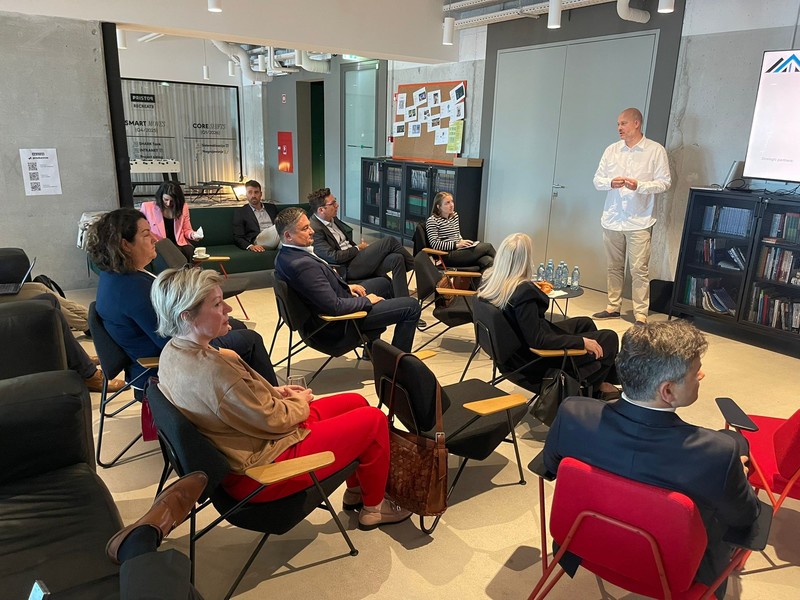
The first session of the merged Council took place on 19 May 2026 at Pristop in Ljubljana, where we were welcomed by Jernej Smisl, Managing Director. Members then supported the formal merger and confirmed the future direction of the Council’s work. The merger reflects the growing overlap between trade, investment, competitiveness, regulation, and market access, and creates a stronger platform for BSCC members to address shared business priorities.
The new Trade and Investment Council will continue the work of both former councils. Its role will be to support practical dialogue among members, identify barriers to doing business, and prepare constructive proposals for decision-makers.
At the session, members unanimously supported the appointment of Tim Gregor Grünfeld, Uniko, and Aleš Šifrer, Arriva, as Co-Chairs of the Trade and Investment Council.
In presenting his vision for the Council, Tim Gregor Grünfeld highlighted the importance of continuous dialogue with political parties and decision-makers. Aleš Šifrer underlined the need for Slovenia, as a small and open economy, to become more flexible and more open in order to strengthen its business environment and competitiveness.
Members also unanimously supported the appointment of Azra Begič Milanez, A Tax International, as the Council’s Expert Council Facilitator.
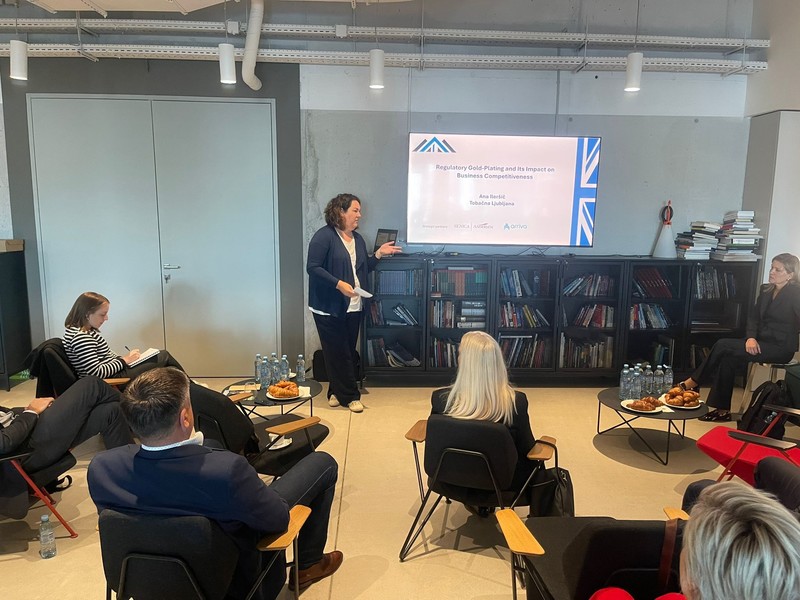
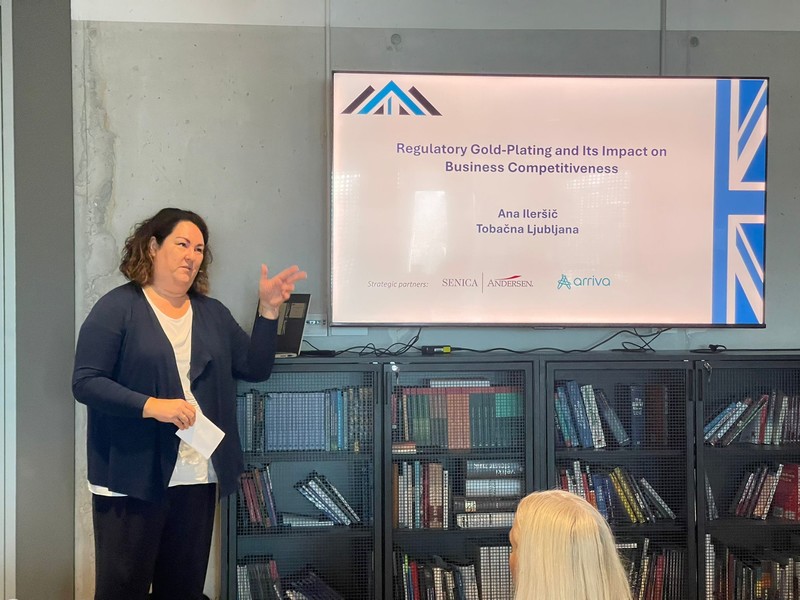
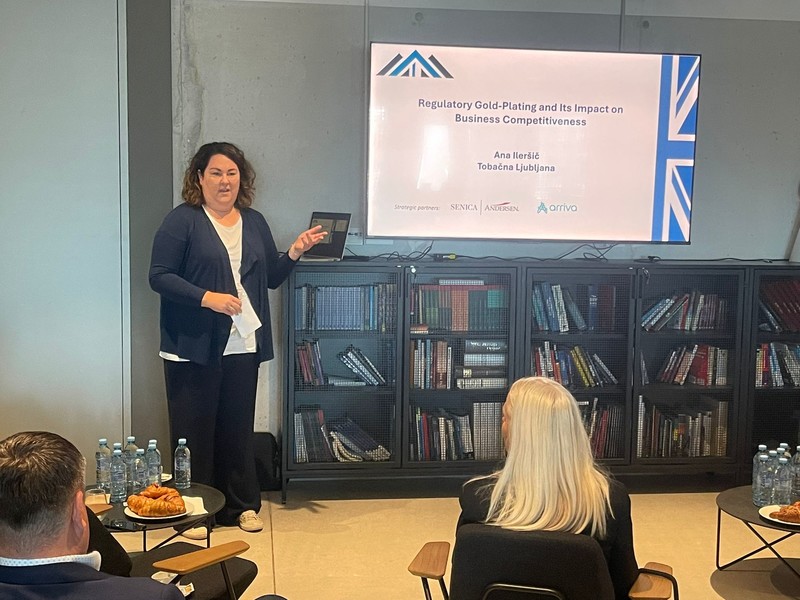
The meeting then focused on regulatory gold-plating and its impact on companies operating in Slovenia. The discussion, introduced by Ana Ileršič, Tobačna Ljubljana, addressed the concern that Slovenian legislation in certain areas introduces additional national requirements beyond EU rules. Members stressed that excessive regulation can weaken competitiveness and that businesses need a clearer, more predictable, and more business-friendly regulatory environment.
The Council agreed to include this concern in the updated version of its recommendations for political parties and to continue collecting proposals from members on regulatory burdens and competitiveness challenges.
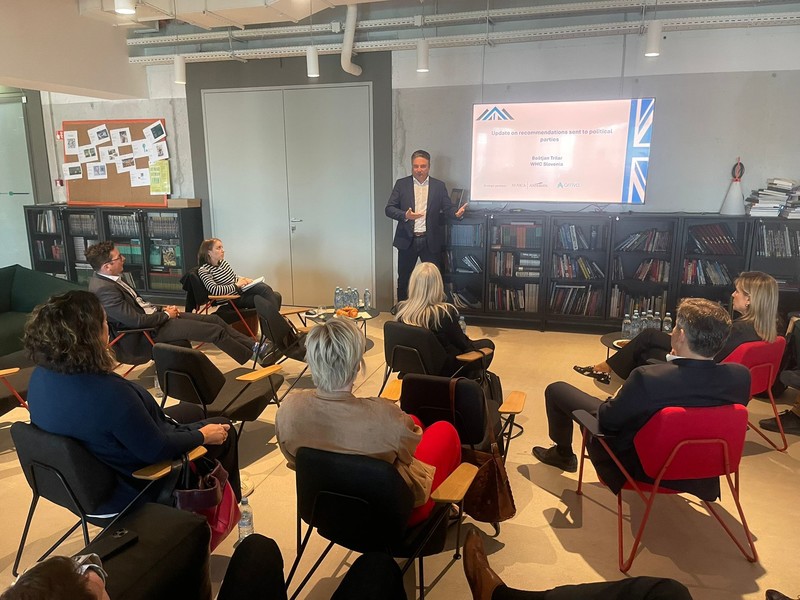
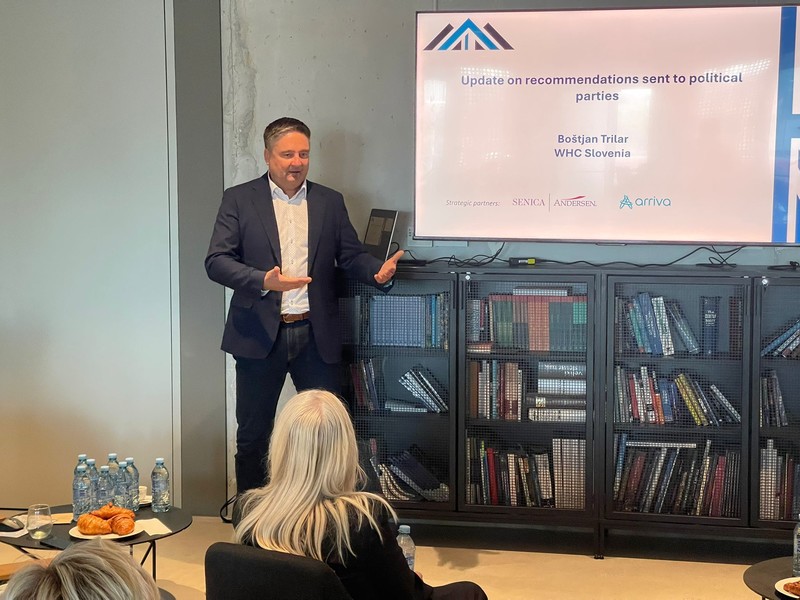
The session also included an update on the Council’s existing recommendations for political parties, presented by Boštjan Trilar, WHC Slovenia. Members noted that two of the Council’s seven proposals, related to the salary cap measure and pensioners’ work arrangements, had already been included in the coalition agreement, which represents an important result of the Council’s advocacy work.
Following the formation of the new government, the Council plans to establish a working group to meet with political parties and relevant ministries. The aim will be to present the Council’s updated proposals and continue an open, constructive dialogue on how to improve Slovenia’s competitiveness and business environment.
Members who would like to contribute to the Council’s work or take part in the advocacy initiative are invited to get in touch with us.